
Why No One's Dancing at Your Wedding (And How to Plan So They Do)
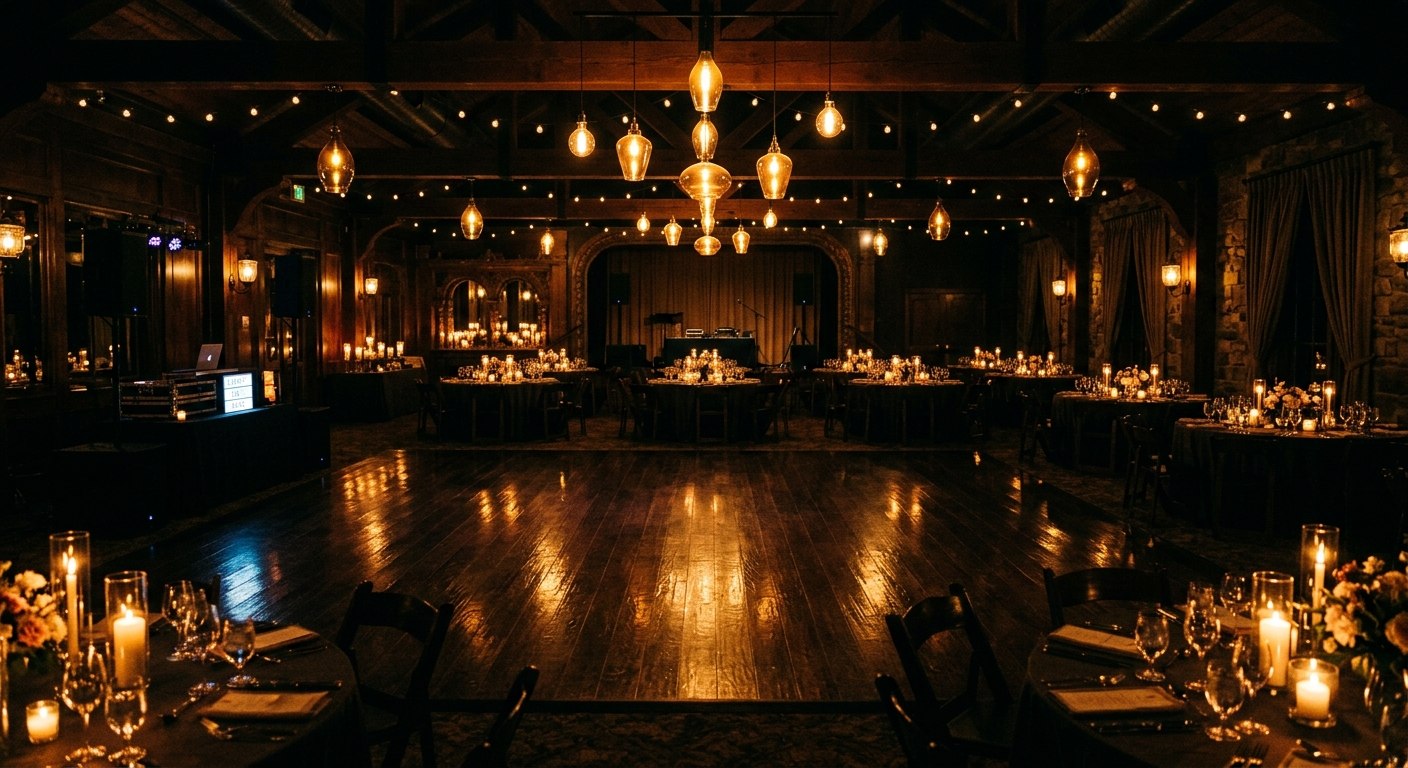
You've spent months planning every detail of your wedding. The flowers are perfect, the catering is sorted, and your dress or suit is ready to go. But here's something most couples don't think about until it's too late: a beautifully decorated reception with a completely empty dance floor.
It happens more than you'd think. And almost every time, it was preventable — not on the night, but months earlier, during the planning stage.
Here's what actually causes a dead dance floor, and more importantly, what you can do about it before your wedding day.
1. Your "Must-Play" List Is Working Against You
There's nothing wrong with having songs you love. It's your wedding, and the music should reflect you as a couple. But there's an important distinction between songs you love and songs your guests will get up and dance to.
When a must-play list is filled with deep cuts, niche favourites, or tracks that only the two of you really know, the rest of the room sits out. They're not being rude — they just can't connect with music they've never heard. And once people sit down, getting them back up is twice as hard.
The planning fix: Keep your must-play list to 5–10 genuinely crowd-pleasing songs you both love. Then give your DJ a "do not play" list for anything you hate, and trust them to read the room for the rest. The sweet spot is a dance floor that feels like you but also gets everyone moving. A good DJ can thread that needle — but only if you give them room to work.
2. The Venue Layout Is Quietly Killing the Vibe
Walk through your reception venue and ask yourself: where is the bar? Where's the photo booth? Where's the DJ?
If the bar is on the opposite side of the room from the dance floor, guests will drift over for a drink and never make it back. The same goes for a photo booth tucked away in a corner. Every attraction that pulls people away from the dance floor chips away at your crowd.
And here's one that often gets overlooked: where is the DJ booth? It might seem like a small detail, but when a DJ is pushed into a distant corner because the sweetheart table or cake table got the prime real estate, it creates real problems. A DJ who can't see the dance floor can't read the room — and a DJ who can't read the room can't keep the energy up.
The planning fix: When you're doing your venue walkthrough, think about traffic flow. Put the bar adjacent to the dance floor, not across the room. Keep the photo booth close. And when you're arranging the floor plan with your venue coordinator, make sure the DJ booth is positioned right next to the dance floor — not an afterthought in the corner.
3. No One Is Actually Running the Night
This one catches a lot of couples off guard. You might have a friend or family member who's offered to "help coordinate" on the night. But here's the reality: they're also a guest. They want to enjoy the night, have a drink, catch up with people they haven't seen in years. And about halfway through the evening, they quietly forget they were supposed to be running anything.
Without someone actively managing the timeline — cueing the speeches, telling the caterers when to clear plates, signalling the DJ when to transition — the night starts to drift. Speeches run long. Dinner takes longer than expected. The cake cutting happens late. By the time the dance floor is supposed to open, you've lost 45 minutes and half your guests' energy. A planned two-hour dance party becomes a 20-minute scramble before the venue closes.
The planning fix: If a professional wedding coordinator isn't in your budget, at least assign someone — not a guest — to be your dedicated timeline manager. Ideally someone not emotionally involved in the night who can focus entirely on keeping things moving. Brief them thoroughly before the day and make sure they have contact details for every vendor. Your DJ should also have a copy of the run sheet so they can prompt when needed.
4. The Couple Disappears at the Wrong Moment
This one sounds obvious, but it's one of the most common reasons a dance floor empties out mid-reception. Guests are there to celebrate with you. When the newlyweds are nowhere to be seen — whether it's a costume change that takes 45 minutes, an extended photo session outside, or the groom spending the night at the bar chatting rather than on the floor — the energy drops.
Your guests take their cue from you. If you're out there dancing, having a great time, they'll follow. If you're not, they'll start wondering whether the party is actually over.
The planning fix: Plan your outfit change (if you're having one) to happen before the dance floor opens, not during it. Build it into your timeline early. Once the dancing starts, make a conscious decision to be present on the floor — especially for the first 30–45 minutes when the momentum is being set. You don't have to dance every song, but your energy on the floor is the single biggest signal to your guests that the party is on.
5. The DJ Is Playing Songs, Not DJing
There's a real difference between a DJ and someone who presses play on a pre-built playlist. Real DJing means reading the crowd, adjusting on the fly, blending tracks so the energy builds continuously, and knowing exactly when to push harder and when to pull back.
When full four-minute songs play back-to-back with dead air between them, the room loses momentum constantly. Modern wedding crowds respond to energy — they want to feel like they're at a great party, not sitting through a jukebox.
The planning fix: When you're interviewing DJs, ask them how they approach set building. Do they take requests on the night? How do they handle a quiet dance floor? What's their mixing style? A DJ who talks about reading the crowd and adapting is a very different proposition to one who just asks for your playlist and shows up. Choose the former.
Plan It Right and the Dance Floor Takes Care of Itself
Most wedding dance floor failures aren't music problems — they're planning problems. The music is the last 10%. The other 90% is layout, timeline, the right entertainment partner, and giving your guests every reason to stay close to the floor rather than drift away from it.
Get those foundations right during the planning phase and the rest falls into place naturally.
If you're in Gippsland and want to talk through how to set your reception up for a great night, feel free to reach out. This is exactly the kind of conversation worth having before the big day — not after it.